Lowpoint homeowners don't need another sales pitch about their roof — they need someone who shows up, explains what's actually wrong, and fixes it right the first time.

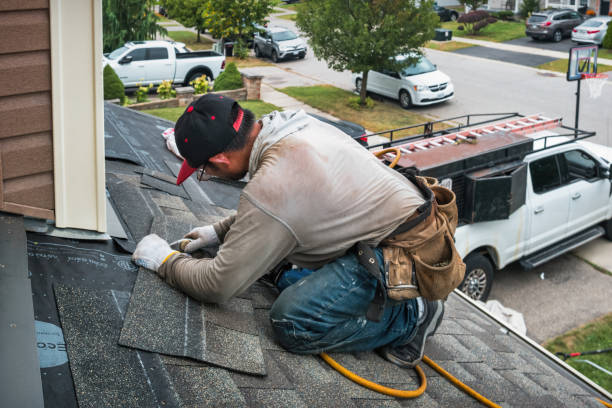
Nobody on our crew learned Hail Damage Roof Repair work from a training video. They learned it climbing real roofs in Lowpoint, IL, in real weather, on jobs where a wrong call meant a callback.
Ask to see our Lowpoint, IL license and insurance certificate and you'll have it in your hand before the estimate even starts.
Every Hail Damage Roof Repair job, from a single flashing repair to a full Lowpoint tear-off, gets built to the same standard: the one that holds up, not the one that's fastest to invoice.

Documentation on request, no exceptions.
Someone answers, every time, day or night.
No invoice surprises once work is underway.
Crews dispatched from within Lowpoint, IL, not another region entirely.
A roof rarely just fails one day — it usually spends months quietly showing signs that get written off as cosmetic.
The earlier one of these signs gets a proper look, the smaller the repair usually stays; waiting rarely makes a roof problem cheaper to fix.
Shingles shed their protective granules as they wear down, and a gutter full of grit is an early tell.
A cupped shingle traps moisture instead of shedding it, which speeds up decking rot underneath.
A gap that lets light through will let rain through eventually.
Sagging or soft drywall usually points to sustained moisture, not a single isolated drip.
An unexplained bill increase is worth checking against your roof's condition.
Exposed underlayment is only a temporary barrier — it's not built to handle sustained exposure.
We split our work into specific service lanes because a wind-lifted shingle and a full system replacement need completely different crews and timelines.
Below is the full breakdown of what we cover in Lowpoint, so you can see roughly where your situation fits before you even call.
When wind or hail rips open a section of roofing, we tarp it fast to stop water intrusion, then schedule the permanent fix right behind it.
Every homeowner gets walked through material options before a decision is made, not after.
We schedule commercial jobs to minimize disruption to tenants and foot traffic wherever possible.
Material selection is part of the replacement conversation, matched to your climate exposure and budget.
Post-storm inspections give homeowners documented evidence, useful whether or not a claim gets filed.
Chimney crickets, skylight seals, and valley flashing are common leak points that general repair crews often miss.

Four steps, no surprises in between — here's exactly what happens after you pick up the phone.
A dispatcher logs your address, roof type, and the problem, then schedules based on urgency.
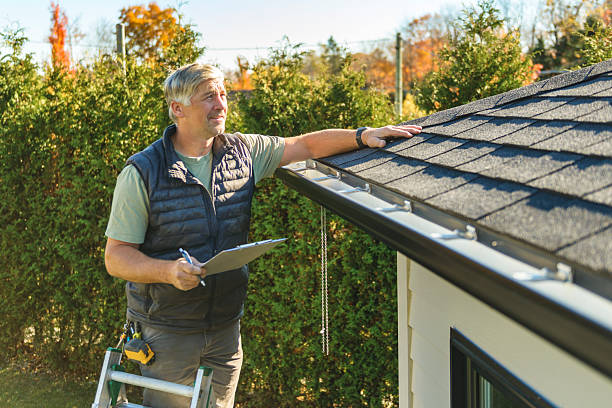
The inspection covers decking, flashing, and ventilation, not just the obvious visible damage.
Financing and insurance-claim questions are addressed at this stage.
A final walkthrough confirms everything matches the agreed scope.
None of these reasons are unique claims in the roofing industry on their own — what matters is that we actually deliver on all of them together, on every Lowpoint job.
Crews based in Lowpoint, IL reach Lowpoint faster than out-of-area companies quoting a multi-week wait.
Every estimate is itemized so you know exactly what you're paying for.
Certifications stay current so material warranties remain valid after installation.
Every job includes a written labor warranty separate from the shingle manufacturer's coverage.
We've worked with enough local carriers to know what actually speeds up claim approval.
Some roofs need a full reroof; plenty just need one honest repair.

A verbal promise means nothing when you actually need it, so ours is documented and handed over at project close.
If something unexpected turns up mid-job, like hidden decking damage, we flag it and get your approval before it changes your bill.
We'd rather explain a guarantee in plain language upfront than have a homeowner discover the fine print later.
If your address sits just past our standard Lowpoint radius, dispatch can usually still work something out.
Routes are planned around Lowpoint's actual streets and access points, not a generic radius drawn on a map, which is part of why our arrival windows tend to hold up.
Coverage decisions are based on actual drive time from the nearest staged crew, not a fixed distance line on a map.

"Wind tore off a section of our roof during a night storm. They had it tarped before we even finished the phone call and fixed properly two days later."
— Lowpoint Homeowner
"Our adjuster actually commented on how thorough the documentation was. Made the claim process a lot smoother."
— Lowpoint Homeowner
"Called at 6am after a bad hailstorm and someone actually picked up the phone."
— Lowpoint Homeowner
"Crew walked me through the attic issues with photos before quoting anything."
— Lowpoint Homeowner
"Chimney cricket repair stopped a ceiling stain that had been there for months."
— Lowpoint Homeowner
"Commercial building had a slow roof leak affecting a whole storage room. Their team traced it to a single failed pitch pan and fixed it in one visit."
— Lowpoint Homeowner
Get a straight answer before any work starts.
Get Your Free Estimate